Electrical Safety Around the Home
To most of us, electricity is simply flicking a switch or turning a dial to light up a room, cook supper or get instant entertainment. We take it for granted -- that is, until there's a power failure and we have to scramble to find flashlights, candles and matches in the dark.
Making your home safe and comfortable takes a deeper understanding. Let's start by remembering that the electricity we receive in our homes is part of a powerful, intricate system made up of power lines and generators. It generally enters our homes through power lines to a main switch at 120 to 240 volts. The main switch is clearly marked with an “on” and “off” position and controls all the power in the house.
All lighting or general use circuits in a home are protected by either “circuit breakers” in newer homes or fuses in older ones. You should always disconnect the power by moving the main switch to the “off” position when changing fuses or doing electrical work around the house. Never open the door of the main switch -- if you sense something is wrong, call your electricity supplier.
The panel box or fuse box from the main switch is the one that splits the power into circuits that go into all the rooms in your home. If you overload a circuit, say by plugging too many things in, the fuse may blow or the circuit breaker may trip, stopping the flow of power to that particular area.
In the basement
If you're looking for the breaker panels or fuse boxes in a home, you'll usually find them in the basement. They require little if any maintenance. Fuse boxes require the right type and size of fuses. Overloading circuits could cause power loss, or even lead to a fire.
If you detect rust in the fuse box, or if a fuse repeatedly blows for no apparent reason, if there is overheating, discoloration of fuses or flickering lights, contact an electrician to solve the problem.
Fuse changing
- Use a flashlight if the area where the fuse box is located is dark.
- Never change a fuse while standing on a wet floor.
- Unplug appliances on the overloaded circuit and turn off the main switch.
- Install the proper size fuse--most lighting and general use circuits are fused at 15 amps.
- Keep the fuse box or breaker panel cover closed to protect children and prevent dirt from accumulating.
Look after your cords
- Pull the plug when removing from electrical outlet. Pulling on the cord will wear it out and may create a shock hazard.
- Keep cords away from heat and water, which can damage the insulation and create a shock hazard.
- Never run electrical cords under rugs, through doorways or anywhere subject to excessive wear. This may lead to a fire hazard.
- Never break off the third prong on a plug so it can fit into a two-prong outlet. This will create a shock hazard.
- Regularly inspect all cords and plugs. To avoid fire, short circuits or shocks, discard all cords and plugs that are worn or damaged.
- Plugging several cords into an outlet, or using an extension cord as permanent wiring, indicates that your home wiring is outdated for your needs and that you should have more outlets wired in.
- Prevent pets from chewing electric cords by rubbing the cords with a bar of strong laundry soap.
Use electrical appliances carefully
- Before buying, make sure it has a certification mark or seal ensuring electrical safety when the appliance is used properly.
- Follow all the manufacturers instructions.
- Never use any electric appliances around water. Even if your hands are wet, or you're standing on a wet floor, you cold get a shock or other injury. For example, be careful when using hair blowers and radios in the bath area.
- Don't pry toast from a plugged-in toaster with a knife or a fork. If you want to avoid a shock, unplug the toaster first.
- Never touch plugged-in appliances when your hands are wet. Always unplug them before cleaning.
- If an appliance sparks, overheats or stalls, pull the plug and have it checked by a service person.
Other safety tips
Never touch power lines yourself or with any equipment. Take extra care when working near them. Before doing any digging, call your local hydro company to locate underground power lines. Cutting through one is dangerous and could black out an entire area.
When planting trees around your home, make sure they won't grow up into power lines. Don't attempt to prune or fell any trees near power lines yourself. Call your local hydro company. A tree falling into a power line can be very dangerous.
Power tools should have a three-prong plug or double insulation. Keep them in good condition and never use power tools on wet grass or other wet surfaces. If you need an extension cord, use a proper, three-prong, grounded cord.
Source: Ontario Real Estate Association
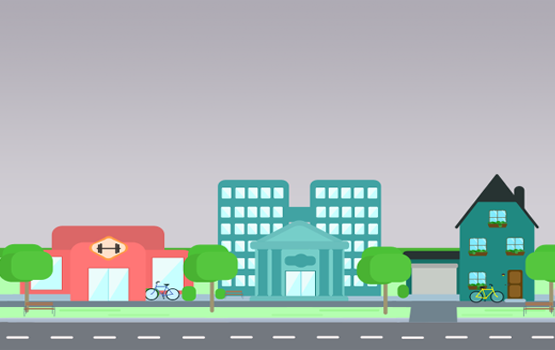
Learn About Neighborhood
Location is the most critical factor affecting a home's value, so when buying a house it makes sense to buy in the best neighborhood you can afford. The most desirable neighborhoods tend to hold their value over time and that will play an important role in the resale value of the property and in your family's life.
Read more...
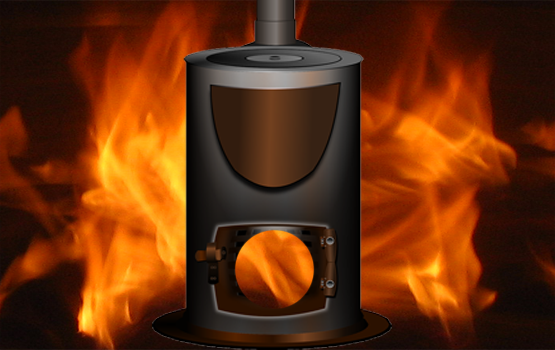
Learn About Heating System
The efficiency of a heating system depends on the amount of fuel consumed to meet heating needs. Using less fuel means your system has increased its energy efficiency. One way to maximize output using the least amount of fuel is to reduce air leakage. Before deciding to replace or upgrade your present heating system you will have to consider how much of your present system can be saved.
Read more...

SAY IT WITH COLOR:
Decorating Your Home
Color can make a big impact on the appearance of any room and at the same time is one of the easiest things to correct if you are not totally satisfied. They make difference and affect the way how we see space around us. Colors can alter our perception of a room's size and shape and make the difference in enjoying or feeling uncomfortable in a room.
Read more...