Choosing the Right Neighborhood
Location is the most critical factor affecting a home's value, so when buying a house it makes sense to buy in the best neighborhood you can afford. The most desirable neighborhoods tend to hold their value over time and that will play an important role in the resale value of the property and in your family's life.
The best neighborhoods have well maintained homes, close proximity to a thriving economic center, nearby shopping, good schools, convenient commute options, good recreational facilities and low crime rate.
However, some person's ideal neighborhood may vary greatly from anther's, so make sure that the home you buy suit your current housing needs for at least several years. You should get familiar with different communities before you decide to buy a house. Start by identifying your priorities and rank them in order of importance, then research into potential areas. Once you have a few areas that you are interested in, start your research.
A good first step when starting your research and investigation is to spend some time in each area you consider (both during the week and on weekends) before picking the neighborhood that is right for your needs and your budget.
Buyers with limited financial resources should look for neighborhoods that are likely to be in high demand or on a verge of popularity boom in coming years, or to sacrifice some house amenities, such as remodeled kitchen or bathroom, to afford a home in a better neighborhood.
To sum up, it is impossible to discover everything before buying property, but you can try to find many things if you do your research properly. You cannot count on someone else to do better job than you. In order to protect your own investment never buy property in an unfamiliar neighborhood or community and never let particular things in a house that appeal to you override its location and potential resale value. Always remember that someday you may have to sell your home to someone else and things that may not be important to you right now may be important to other buyers.
ABOUT THIS ARTICLE
We grant you the right to publish this article on your website, in your online newsletter or ezine as long as the article is left in the original state and includes the complete resource box unchanged, which means it provides credit to the author, author's statement, and all information about content provider.
All the links included in resource box should be in clickable hyperlinked format. We would appreciate if you notify us of your intent to publish our article and send us a courtesy copy or link.
The articles published on www.brantrealty.com express the views of the authors and do not reflect the view of the BrantRealty.com
RESOURCES:
This article is reprinted with permission.
ABOUT THE AUTHOR
Maya Gavric, entrepreneur, consultant, former realtor, freelance writer, web developer, artist and marketing coach has been working, researching and reporting on the Internet for years. Her numerous articles offer valuable insight and tips on wide variety of topics. In recent times she has paid particular attention to knowledge management on the Internet and environmental problems, exploring how our attention to hot issues might best transform current situation into better practice.
Article Source: http://www.brantrealty.com
HELPFUL LINKS:
- Buyer Info
- Mortgage Info
- Mortgage Insurance
- Real Estate Info
- Seller Info
- FREE Reports & Articles
- Information Center
- Community Info
Learn About Your Neighborhood
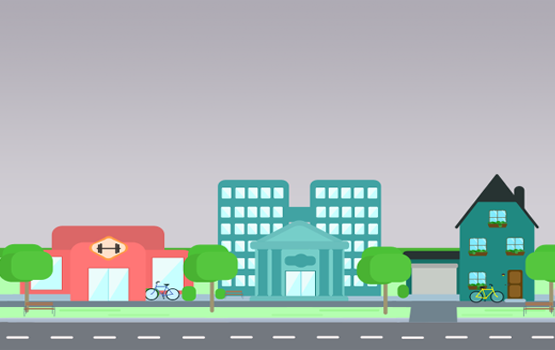
Find out more about the immediate homes around the particular property you want to buy. Are the homes around well maintained and worth the same or more than the home you are considering? If homes around are remodeling, that means that homeowners are generally happy with the neighborhood. Also a street with a lot of "sold" or "pending sale' signs is usually in demand. Watch for signs of overbuilding. If the area becomes over saturated with inventory this tend to depress property value.
Your future home is part of a larger community, so make sure you know about local problems, noise, traffic, future construction and developments in the area, zoning restrictions, rezoning, contamination, etc. Talk to people in the neighborhood, store owners, people on the street, church members and don't forget to contact the local municipality planning and zoning departments to find information you need.
Learn About Your Heating System
The efficiency of a heating system depends on the amount of fuel consumed to meet heating needs. Using less fuel means your system has increased its energy efficiency. One way to maximize output using the least amount of fuel is to reduce air leakage. Before deciding to replace or upgrade your present heating system you will have to consider how much of your present system can be saved. Read more...