Heating Tips
Did you know that much of our effort to warm or cool our home is lost through improper or inadequate insulation and drafts? Use our tips and slash your heating or cooling cost without sacrificing comfort.
Insulate & Seal Ducts
Take a good look at your insulation in your basement or attic. Look for places where the insulation may have pulled apart or where it doesn't exist and put new one. Good insulation is sure way to reduce your heating and cooling costs. It makes your home more comfortable and it makes your furnace or air-conditioning more energy efficient. Hot or cold air can also escape through poorly connected joints and holes in duct work. Applying a mastic sealant or metal tape over any leaks to seal them will help. Leaky ducts can add hundreds of dollars a year to your heating and cooling bills. Sealing and insulating your ducts is usually very cost effective. Also, make sure your existing ducts are not blocked.
Tune-up the Furnace
Make sure your furnace is inspected and serviced annually by a professional. This will involve inspection, tune-up, preventative maintenance, identifying parts that may need to be repaired or replaced, cleaning the parts you can't reach and making sure everything works properly. The professional can also find any gas or carbon monoxide leaks to keep you and your family safe. Your filters should be replaced every three months (or more often if you have pets). Also, don't forget to replace filter if you had renovation done in the house. This low cost maintenance is simple DIY job, ensures air moves easily into the furnace and also prolongs its life.
Heating or Cooling Registers
Keep your heating or cooling registers clean and unobstructed (not blocked by furniture, carpeting or drapes). The warm or cold air blowing out of your registers needs a clear path into the room to provide even heating or cooling. So, if you place anything over the register, you're limiting the flow of heating or cooling. Placing your furniture, carpeting or drapes over it is like leaving the vent partially or completely closed. To cut your energy costs, arrange your room so that the register is as unobstructed as possible.
Upgrade Your Thermostat
Programmable thermostats can help you cut your energy bill by 10 percent or more. They can be set to automatically turn down the temperature for any number of hours during a day or night, either when you're not home or when you're sleeping. They are now cheaper than ever, with models starting under $30. Also, make sure your thermostat is on the right wall.
Note: You can control your heating and cooling costs by managing your thermostat effectively. Did you know that heating costs rise about 5% for every degree above 20°C (68°F) that you set your thermostat.
Use Ceiling Fans
Ceiling fans are fairly cheap to purchase and install and great when you need to cool only one area of the house or if you want to make a room feel cooler. They are also great when you need to cool bedrooms at night. Ceiling fan for example can make a room feel 8 to 10 degrees cooler and usually uses only 10 percent of the energy of a central air conditioner, which will help you save on cooling costs. The ceiling fan with a reverse setting will also help in cold months, because fan with that option pushes hot air down into the room.
Notes: Portable fans are not quite as effective like ceiling fans, but they are good alternatives where it's not possible to install ceiling fan. Since fans cool you down by creating a breeze, and they don't cool a room down, there is no point leaving them on when you are not in the room.
Water Heaters
The most efficient energy savers are on-demand water heaters since water isn't being heated when they are not in use. But if you don't have one, and you have electric or gas heated hot water tank, try wrapping it in an insulating blanket to reduce heat loss.
RELATED LINKS:
- FREE Reports & Articles
- Your Heating System
- Improving Heating Efficiency
- Make the Necessary Improvements
- Quick & Easy Ways to Spruce Up Your Home
- Bathroom Makeovers
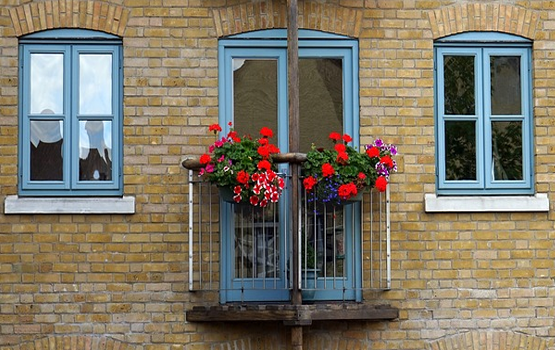
Windows & Doors
Worn and torn weather stripping around windows and doors waste energy when heating and cooling your home. Since 6 to 10 percent of a home's energy loss occurs around windows and doors without proper airtight seal, it is good idea to check for drafts by holding a lit candle around window frames and doors. If candle flickers, you have a draft and need to replace or install weather stripping and caulking around windows and doors. It is also good idea to add a door sweep. Read more...

Energy Efficient Home
Learn how to improve home energy efficiency, make your home more comfortable, and save money without expensive upgrades or months of renovations. Use our tips and slash your energy bills without sacrificing comfort. Read more...